Monday, February 24, 2014

Parramatta Learning Community for Sustainability


Welcome to 2014 - PLCfS - 1st Meeting - Wednesday 19 March
4-6pm Aengus Kavanagh Centre, 59 Railway Street Mt Druitt - (in the grounds of Mt Druitt Hospital) - ACU Room  - Afternoon Tea provided 
The Parramatta Learning Community for Sustainability brings together a group of teachers from across the diocesan system of schools together with people from community organisations to examine and discuss issues related to the sustainability and stewardship of environmental and human ecology. The curriculum, including the new national curriculum, provides the context and the identification of the knowledge and learning experiences that teachers are encouraged to provide their students. This Learning Community is also charged with the responsibility of providing support, ideas and resource links to teachers and students from diocesan Early Learning Centres, Primary and Secondary schools who wish to participate in the Executive Director’s annual Sustainability and Stewardship Project.
Objective:


become more informed about one of the three national cross curriculum priorities, Sustainability, and its inclusion in all KLA's in the formal curriculum.


Linked to call for all Catholic Christians to exercise stewardship of environmental and human ecology.


Meet with members of community organisations to share resources, contracts and ideas related to a range of sustainability issues.


Develop support materials for the diocesan Early Learning Centres, Primary and Secondary schools who wish to participate in the annual Executive Director's Sustainability and Stewardship project.


Course Number: 14147 (CEO personnel)

Friday, December 20, 2013

It's Christmas in Australia!


Christmas in Australia means many things, i.e fun hair decorations, painting seed pods from Jacaranda trees to use to make a genuine Aussie Christmas Tree and of course making delicious Christmas biscuits to share with friends - all of this is done to celebrate the real meaning of Christmas ... Peace on earth, Goodwill to all! 
Happy Christmas & Summer Holidays!

Friday, December 6, 2013

One Potato, Two Potato ....

One potato, two potato, three potato, four, five potato, six potato, seven potato, more!

This was the hope of students at St Bernadette's Primary, Lalor Park as they planted their sprouting potato! They articulated that the potato would also need Sun and Water as it snuggled under the layer of Soil, which was just like a blanket or a quilt!
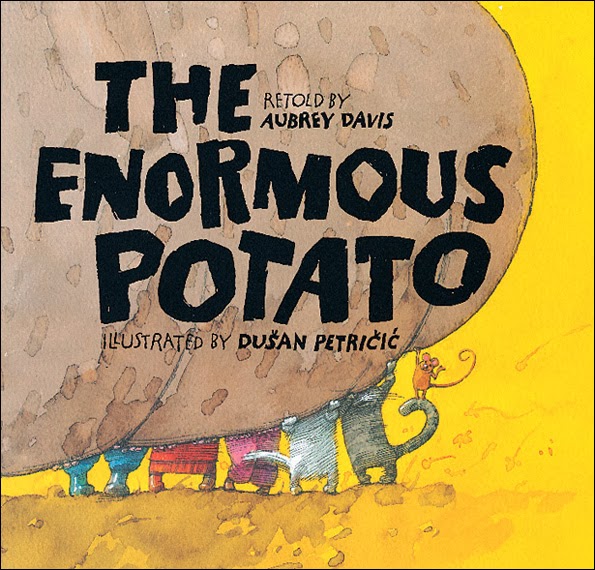
A visit to the Library was a good follow-up to the planting activity and it was exciting to discover that two great Potato books were available to share with the rest of Kindergarten!


Wednesday, November 13, 2013

Singing in the Rain!


The community at the Catholic Early Learning Centre, Stanhope Gardens welcomed the recent drenching rain, however James Scary Crow needed a large, colourful umbrella to keep him high and dry! Rumour has it, that singing was heard floating across the Outdoor Learning area!

Monday, November 11, 2013

The Potential of a Puddle!


The Potential of a Puddle is a wonderful book by Claire Warden and the children at the Catholic Early Learning Centre, Stanhope Gardens, tested the truth of the statement, when an overflow from the sprinkler caused a muddy puddle, in their outdoor learning space. Words such as soft, squishy, dirty, and phrases such as "It looks just like chocolate" "Mud is cool" were used, as their bare feet and toes, explored the mud!
A special sign was carefully placed over the area, once the sensory experience had finished, to warn children and educators (who were wearing shoes) of another potential of a puddle!


Saturday, November 9, 2013

From Little Things Big Things Grow!


The children at The Catholic Early Centre - Stanhope Gardens have started in a small way, with great success! Cherry tomatoes have appeared after regular watering ... thanks Christopher!
Sunflower seeds have been planted along with the pea seeds and the girls have taken responsibility for keeping them watered!
The iPad was used to check for identification of a plant growing in the garden bed ... and 'YES' ... it is corn!
Rosemary's Flower Shop was constructed in the Learning Space and business was so good that Devante decided to set up a Mail Order facility ... good idea! Charlotte and Grace assisted by scanning the seed packets!
When problems occurred outside, namely the Pineapple Sage and Chocolate Mint were looking very thirsty, Grace decided it was time for them to have a drink of water!
Connie and Claudia discussed the type of food suitable for the Organic Kitchen Bin,
which feeds the Worm Farm! Elena and her friends thought the blackboard needed a new illustration, so a 'Nature Garden' was drawn, complete with a slice of watermelon!

Nicholas and friends checked in with 'James Scary Crow' to ensure that he was keeping all the birds away from the growing plants, not just the crows ... good recommendation, Devante!
Children, parents and staff are very keen to keep the Garden Project growing and are aware that the concept offers a great deal of opportunities for Naturalistic Language, both outdoors and indoors, at the Centre and at home!


Friday, November 1, 2013

QR codes learning in the environment

This week at the Parramatta Learning Community for Sustainability meeting at Sacred Heart Mt Druitt we learnt about utilising QR codes for environmental education.

What are QR codes?
QR codes are like a barcode but square and can encode information like words, instructions, urls etc that can be read by a mobile device QR code reader.

How to read QR codes?
There are many free QR code readers for any mobile device.  Try searching for reader or scanner in the App store.  Try these to start with:
  • QRset
  • Qrafter 
How to create a QR code?
Some simple QR code generators are:
Kaywa
Beqrious

Tips:  Keep your url short by using a URL shortening service.  A good one is:
Goo.glhttp://goo.gl/ - it will shorten the url and then if you are signed in and click on details it also creates the QR code.

How can QR codes be used for learning ?
  • Provide links on real objects to web based information. eg a QR code on a pot or stake in the schools kitched garden to give information about the plant.
  • Link to a maths or literacy activity in a google doc or website.
  • Provide instructions around gardening, counting, literacy.
Access the QR code slides here